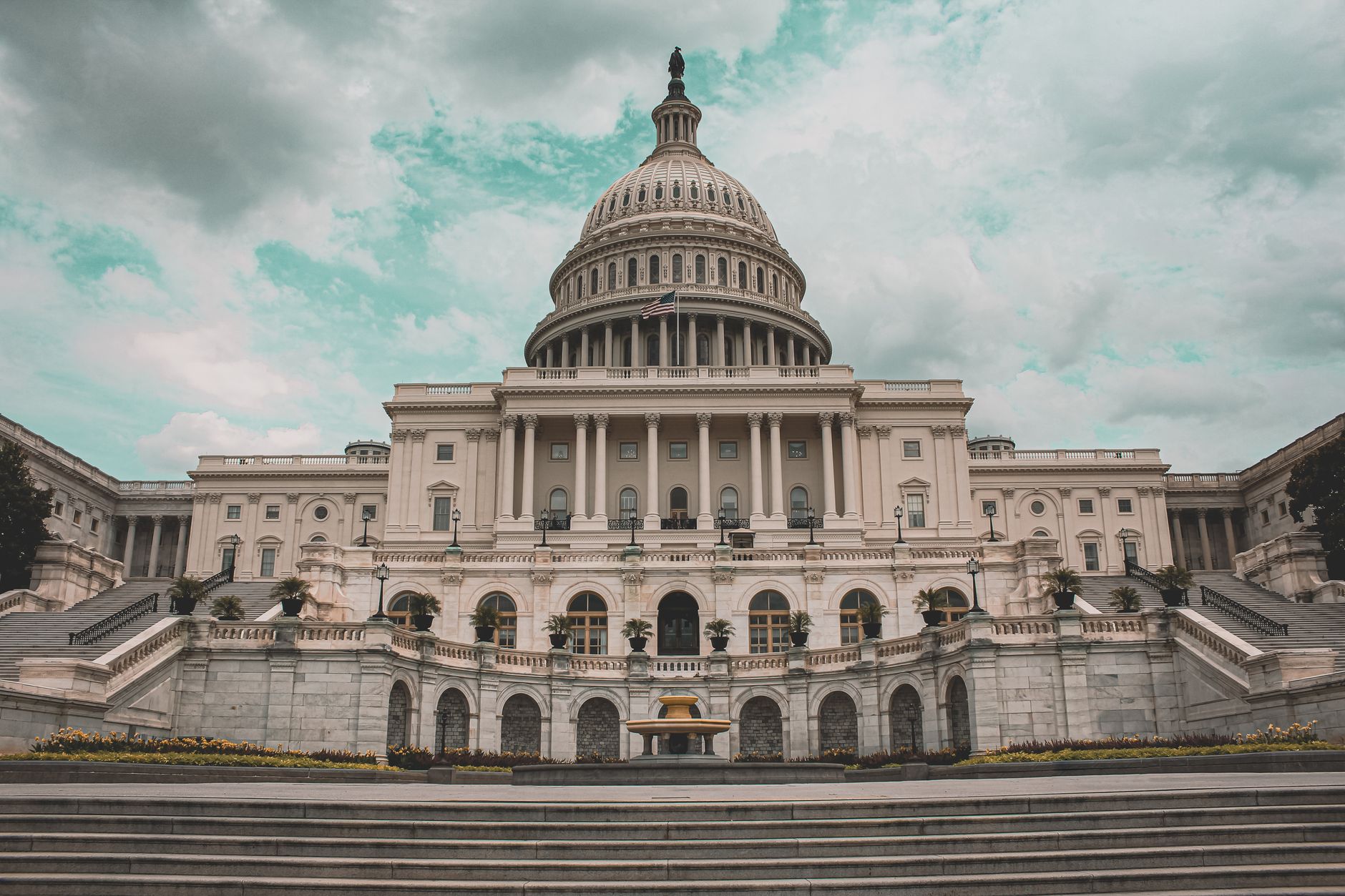
More than $200 million can buy campaign reach. It cannot guarantee the 60 Senate votes crypto legislation needs. Public Citizen, cited by CNBC, calls crypto the largest cohort of single-issue super PACs in US history. November 3 will help decide who writes the next bill; it will not erase the procedural hurdle or reset agency calendars.
Where the money went
Reuters reports roughly $176 million spent across more than 100 midterm races, after about $250 million in 2024. Spending and contributions measure different things; those totals should not be added together.
CNBC reports Fairshake and affiliates backing 33 House candidates: 19 Republicans and 14 Democrats. Six incumbents receive a $1 million baseline: Republicans Bryan Steil of Wisconsin, French Hill of Arkansas and Bill Huizenga of Michigan; Democrats Janelle Bynum of Oregon, Derek Tran of California and Steven Horsford of Nevada. Coinbase contributed $25 million in 2025, according to Fairshake.
Ohio is the pressure test. Fairshake has spent $55 million opposing Sherrod Brown against Republican incumbent Jon Husted. Marist’s October 15–18 poll put Brown ahead by four points among likely voters, inside its 4.5-percentage-point margin of error.
Stand With Crypto endorsed 45 candidates: 42 House and three Senate, CNBC reports. Reuters puts lawmakers with its A rating at 332, up from 96 at launch. An advocacy score, however, is not a commitment to support every provision.
The 60-vote wall
The Digital Asset Market Clarity Act, H.R. 3633, failed Senate cloture on September 15, 2026, by 49–50. As 21Shares explains, cloture ends debate; the motion needed 60 votes. Democrats objected that the ethics language inadequately restricted top officials profiting from crypto.
Under the current rules, that threshold does not change with the majority party. 21Shares expects neither party to win 60 seats outright. Committee control can change priorities and negotiating terms, but bipartisan agreement remains necessary.
A bill that does not become law before Congress ends must be reintroduced in the new Congress. Partial progress does not carry over as an enacted framework. Waiting for the election result therefore leaves holders with neither a trading plan nor a tax plan.
Negotiators will change, too. Forbes reports more than 80 incumbents retiring, including Republican crypto negotiators Cynthia Lummis of Wyoming and Thom Tillis of North Carolina.
Analysts differ on the delay. TD Cowen, as reported by Bitcoin Magazine, warns a Democratic sweep could stall Clarity for two years. Industry analysts cited by Reuters and 21Shares take a more measured view: congressional friction need not reverse regulatory direction. These are competing assessments, not election outcomes already known.
What the agencies are already doing
The SEC’s proposed Regulation Crypto Assets appeared in the Federal Register on August 21, 2026. Comments closed October 20. It proposes a $5 million offering exemption over four years, a $75 million exemption per 12 months, and a conditional safe harbor from investment-contract treatment. Proposed relief is not permission to operate under a final rule today.
The CFTC’s October 5 advance notice starts an earlier stage of rulemaking covering Regulation CTX and Regulation CAM. Comments are due December 14, 2026. Chairman Michael Selig describes a voluntary federal option and says the agency lacks authority to force every exchange to register. That limitation explains why legislation still matters.
GENIUS Act stablecoin rulemaking has a January 18, 2027 due date. Forbes reports that the OCC published its final rule first. A completed OCC rule does not mean every agency’s implementation is finished.
21Shares argues that existing SEC interpretations and exemptions rest on statutory authority and do not disappear when chamber control changes. Agency positions can nevertheless be revised by a future administration and challenged in court. Statutes provide a more durable foundation. Neither category is identical to a campaign promise, and an election result itself repeals neither.
The tax bill sitting in committee
The Digital Asset Tax Certainty Act cleared the House Ways and Means Committee, but it is not enacted law. Forbes reports a September markup two days after the Clarity vote, with Representative Don Beyer voting against it.
Committee approval is not enactment. Holders should not calculate their tax bills using prospective relief or assume an industry-backed measure has bipartisan agreement on its final terms.
Dates already fixed on your calendar
December 14, 2026: The CFTC’s CTX/CAM comment deadline is a concrete opportunity to address how proposed oversight might affect trading venues and customers. Read the notice and docket before submitting; an advance notice seeks input, rather than announcing finished requirements.
December 31, 2026: For a calendar-year taxpayer, a loss must be realized within the year to count toward that year’s capital-gain-and-loss calculation. The IRS explains capital gains and losses: a falling balance alone is not a realized sale. Finishing intended sales by mid-December provides an operational buffer for exchange congestion; that is planning guidance, not a separate IRS deadline. Preserve transaction records and cost-basis information.
January 18, 2027: Track the GENIUS rulemaking deadline and the actual rules agencies publish. A statutory deadline is not proof that every implementation question has been resolved.
January 2027: The new Congress takes office. If Clarity remains unfinished, watch for reintroduced legislation, committee assignments and changed language. A familiar bill name does not establish identical terms.
This is policy analysis, not individualized tax or investment advice.
Up to 400 USDC | Complete tasks to unlock rewards
Sign up through the campaign link → verify your identity → meet the deposit and trading requirements shown on the campaign page, then complete any remaining eligible tasks. Eligibility, claiming steps and first-come, first-served availability are subject to the official campaign rules. Signing up alone does not guarantee 400 USDC.
⚠️ This content is for informational purposes only, not financial advice. Crypto investing involves risk. Always do your own research (DYOR). Rewards and campaign terms are subject to Binance’s official announcements.
What to actually watch Tuesday night and after
Start with Ohio’s Senate result, then the House margin and the committee leadership it produces. Watch the Fed’s next move as a separate market variable. Then return to the December 14 CFTC deadline: political attention should not crowd out an actionable regulatory calendar.
Market backdrop is not election causation. Bitcoin’s October 31 snapshot was near $77,100–$77,600, roughly 8% lower in October and 38.8% below its October 2025 high of $126,080. Total crypto value was about $2.62–$2.63 trillion; Bitcoin dominance was 59.2%.
SoSoValue data put October 30 US spot Bitcoin ETF net outflows at $643.33 million, ending four inflow sessions: IBIT $233.70 million, FBTC $201.04 million, ARKB $129.55 million, GBTC $53.32 million and BITB $25.72 million. Those flows describe positioning before the vote, not what the result will cause.
There is no price call here. The election changes legislative personnel and pace. Holders still need to read filings, distinguish proposals from effective rules, and act on deadlines already on the calendar.
🔥 Also on Bybit
Bybit is a top-3 global exchange. Sign up with code 7LMZ0G for trading fee discounts!
Sign Up on Bybit →⚠️ Crypto investing involves risk. Always do your own research (DYOR).