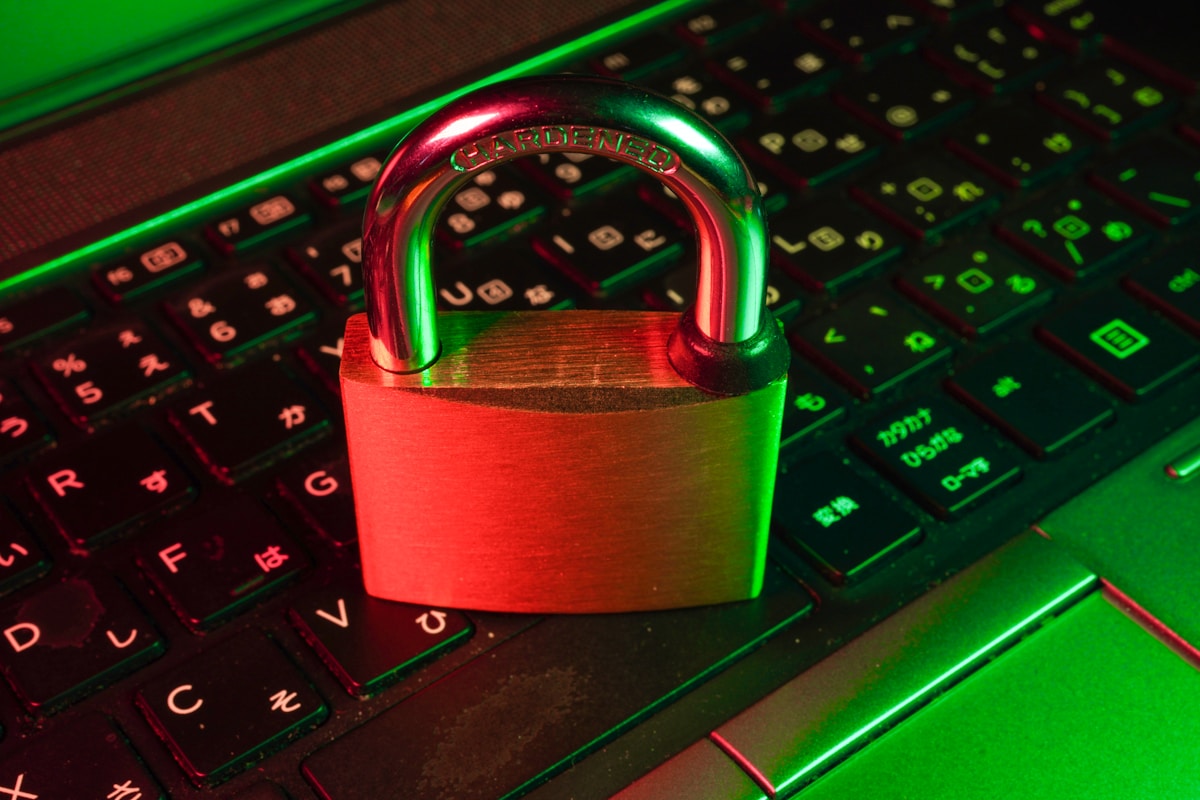
In 2025 alone, hackers stole over $2.2 billion from crypto platforms and individual wallets — and the numbers keep climbing. What makes these losses especially painful is that the vast majority were entirely preventable. A stolen seed phrase, a compromised email account, or a single click on a phishing link can wipe out years of savings in seconds.
The good news? Protecting your crypto doesn’t require a computer science degree. It requires a systematic approach and an understanding of the threats you’re facing. This guide covers everything US investors need to know about crypto wallet security in 2026 — from basic hygiene to defense-in-depth strategies that protect against both common and sophisticated attacks.
Wallet Fundamentals: Hot vs Cold, Public vs Private
Before diving into security practices, let’s clarify the core concepts.
Hot wallets are connected to the internet — think mobile apps like MetaMask and Trust Wallet, or exchange-hosted wallets on Coinbase and Binance.US. They’re convenient for daily trading and DeFi interactions, but their internet connectivity makes them vulnerable to remote attacks.
Cold wallets (hardware wallets) stay offline. Devices like the Ledger Nano X, Trezor Safe 5, and Coldcard store your private keys on a dedicated physical device that never touches the internet. To sign a transaction, you physically confirm it on the device. This air-gap makes cold wallets virtually immune to remote hacks.
Public keys vs private keys: Your public key is like your email address — you share it to receive funds. Your private key is like your email password — anyone with it controls your funds. A seed phrase (12–24 words) is the human-readable backup of all your private keys. Lose your seed phrase, and your crypto is gone forever.
| Feature | Hot Wallet | Cold Wallet |
|---|---|---|
| Internet connection | Always online | Offline |
| Best for | Daily trading, DeFi | Long-term holding |
| Cost | Free | $60–$250 |
| Security level | Moderate | Very high |
| Recovery | Seed phrase | Seed phrase |
| Risk profile | Hacks, phishing | Physical theft/loss |
The rule of thumb: keep what you’re willing to lose in a hot wallet — think of it as your checking account. Everything else goes in cold storage, your savings account.
Wallet Security for US Investors: What You Need to Know
FDIC Insurance Does NOT Cover Crypto
This is the most misunderstood concept in crypto security. The FDIC insures USD deposits at member banks up to $250,000 — but it does not cover cryptocurrency holdings. If Coinbase or Binance.US gets hacked and your Bitcoin is stolen, the FDIC won’t reimburse you.
Some exchanges provide their own insurance: Coinbase carries a crime insurance policy covering losses from theft and cybersecurity breaches (though it doesn’t cover individual account compromises). Gemini holds digital asset insurance through leading global insurers. But none of these are government-backed.
The bottom line for US investors: not your keys, not your coins. Any crypto you don’t plan to trade within the next week should move to a hardware wallet you control.
IRS Implications of Lost or Stolen Crypto
What happens if your crypto gets hacked or you lose access to your wallet? The IRS currently does not allow a theft loss deduction for personal cryptocurrency under the Tax Cuts and Jobs Act (which eliminated personal casualty and theft loss deductions through 2025, and may be extended). If your crypto was held for investment (not personal use), you may be able to claim a capital loss — but you’ll need documentation: police reports, exchange records, and blockchain transaction proofs.
For US investors, the takeaway is clear: losing your crypto is financially devastating twice over — you lose the asset and may not even get a tax break for it.
SEC and Regulatory Warnings
The SEC has repeatedly warned investors about the risks of self-custody and the proliferation of fraudulent wallet apps. In 2025–2026, the agency issued multiple investor alerts about fake crypto wallet applications in the Apple App Store and Google Play Store that steal users’ seed phrases. Always download wallet apps directly from official websites — never through third-party links.
The 5 Golden Rules of Wallet Security
1. Never Share Your Seed Phrase — With Anyone, Ever
Your seed phrase is the master key to your wallet. No legitimate exchange employee, customer support agent, or crypto influencer will ever ask for it. Write it on paper (not a digital note, not a screenshot, not a password manager) and store it in at least two physically separate locations. Consider a fireproof safe or a safety deposit box.
2. Use a Hardware Wallet for Meaningful Amounts
If you hold more than $1,000 in crypto, a hardware wallet is non-negotiable. The Ledger Nano S Plus ($79) and Trezor Safe 3 ($79) are entry-level options. For Bitcoin-only holdings, the Coldcard Mk4 offers advanced security features like air-gapped PSBT signing. The cost is a fraction of what you’re protecting.
3. Enable 2FA — But Not SMS
Two-factor authentication is essential, but SMS-based 2FA is vulnerable to SIM-swap attacks — where an attacker convinces your mobile carrier to transfer your number to their SIM card. Use an authenticator app (Google Authenticator, Authy) or a hardware security key (YubiKey). On Binance.US and Coinbase, you can also set up withdrawal whitelists — pre-approved addresses that are the only destinations funds can be sent to.
4. Practice Multi-Sig for High-Value Holdings
For holdings above $50,000, consider a multi-signature (multi-sig) setup. This requires multiple private keys to authorize a transaction — for example, a 2-of-3 setup where you hold two hardware wallets at different locations and a trusted family member holds the third. Even if one key is compromised, your funds remain secure. Services like Casa and Unchained Capital specialize in multi-sig custody for US investors.
5. Verify Every Single Transaction
Before hitting “send,” verify the full receiving address (first 4 and last 4 characters at minimum), confirm the correct network (ERC-20 vs BEP-20 vs TRC-20), and always send a small test transaction first for amounts over $100. Clipboard malware that swaps your copied address with an attacker’s address is increasingly common — a quick visual check is your last line of defense.
How to Get Started Securely
Choose your wallet setup: Download a reputable hot wallet (MetaMask, Trust Wallet, Phantom for Solana) for small amounts and DeFi. Purchase a hardware wallet from the official manufacturer’s website — never from Amazon or eBay, where tampered devices have been reported.
Set up and back up: Write your seed phrase on paper during setup. Never type it into any website or app. Store copies in two physically separate, secure locations.
Fund and test: Transfer a small amount ($10–20) to your new wallet. Verify it arrived. Then practice sending it back. Once you’re comfortable, move your serious holdings to cold storage.
🚀 Ready to Start?
The world's largest crypto exchange 👋 Sign up on Binance with code HERMESS and get fee discounts!
⚠️ This content is for informational purposes only, not financial advice. Crypto investing involves risk. Always do your own research (DYOR).
Common Threats to Watch For
- Phishing sites: Fake versions of popular wallets and exchanges that look identical to the real thing. Always bookmark official URLs and use them exclusively.
- SIM-swap attacks: An attacker ports your phone number to their device, then resets your exchange passwords via SMS. Use authenticator apps, not SMS 2FA.
- Fake wallet apps: Counterfeit MetaMask, Ledger Live, and Trust Wallet apps in app stores. Download only from official links.
- Clipboard malware: Malware that detects crypto addresses in your clipboard and silently swaps them for the attacker’s address. Always visually verify addresses.
- Social engineering: “Support” agents in Discord or Telegram DMs who offer to “help” with a problem you didn’t report. Real support never messages first.
- Dusting attacks: Tiny, unsolicited deposits sent to your wallet. Don’t interact with them — they may be attempts to deanonymize your wallet or trigger malicious smart contracts.
The golden rule of crypto security: if something feels off, it probably is. Trust your instincts. No opportunity is so urgent that it can’t wait for you to verify it independently.
🔥 Also on Bybit
Bybit is a top-3 global exchange. Sign up with code 7LMZ0G for trading fee discounts!
Sign Up on Bybit →⚠️ Crypto investing involves risk. Always do your own research (DYOR).
What to Do If You’re Compromised
If you suspect your wallet has been breached, act immediately:
- Move remaining funds: Transfer any assets still in the wallet to a new, secure wallet (ideally a hardware wallet) with a fresh seed phrase.
- Revoke token approvals: Use revoke.cash or Etherscan’s token approval tool to remove any smart contract permissions the attacker may have gained.
- Report the incident: File a report with the FBI’s Internet Crime Complaint Center (IC3.gov), the FTC, and your local police. While recovery is rare, law enforcement has successfully traced and recovered stolen crypto in several high-profile cases.
Bottom Line
Crypto security isn’t about being paranoid — it’s about being prepared. The same principles that protect your bank account (strong passwords, 2FA, vigilance against scams) apply to crypto — but with one crucial difference: in crypto, you are your own bank. There’s no fraud department to call, no chargeback mechanism, and no customer service agent who can reverse a transaction.
Start with the basics: hardware wallet for serious holdings, authenticator-based 2FA, never share your seed phrase, and always verify before you send. The 30 minutes you spend setting up proper security today could save you from becoming tomorrow’s $2.2 billion statistic.